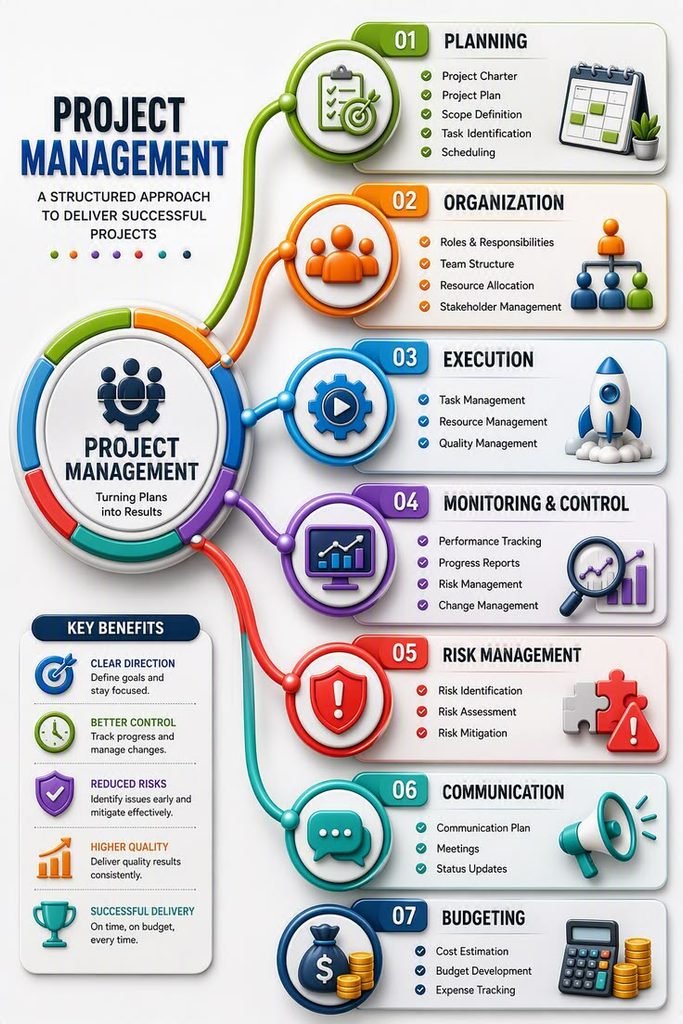
Project management has become an important part of modern business. Companies around the world manage different projects involving employees, customers, suppliers, and business partners from various countries. Whether an organization operates in technology, finance, healthcare, construction, marketing, education, or manufacturing, it needs people who can organize tasks, manage resources, solve problems, and ensure projects are completed successfully.
As businesses expand internationally and adopt remote working arrangements, the demand for skilled project managers continues to grow. Employers are looking for professionals who can coordinate teams across different time zones, communicate with people from diverse backgrounds, manage deadlines, and adapt when unexpected challenges arise.
However, becoming a successful project manager requires more than simply assigning tasks and checking progress. It involves a combination of leadership, communication, organization, technical knowledge, and decision-making abilities.
So, what project management skills are needed in international companies? Here are some of the most valuable skills employers look for.
1. Strong Communication Skills
Communication is one of the most important skills for project managers working in international companies. Projects often involve employees, clients, suppliers, and stakeholders who may live in different countries and speak different first languages.
A project manager must explain objectives clearly, share updates, assign responsibilities, and ensure everyone understands what needs to be completed.
Good communication also involves listening carefully, asking relevant questions, providing constructive feedback, and addressing misunderstandings before they affect project progress.
For international teams, written communication is particularly important because many discussions happen through emails, messaging platforms, and project management software.
Professionals who can communicate clearly and respectfully are more likely to build trust and maintain productive working relationships.
2. Leadership and Team Management
International companies need project managers who can guide teams toward shared goals. Leadership involves more than giving instructions. It requires motivating employees, encouraging collaboration, resolving disagreements, and helping team members perform at their best.
A good project manager understands the strengths of individual employees and assigns responsibilities according to their abilities and experience.
Leading a remote or multicultural team also requires flexibility. Different employees may have different working habits, communication preferences, and expectations.
Effective leaders create an environment where everyone feels respected, understands their responsibilities, and has the opportunity to contribute.
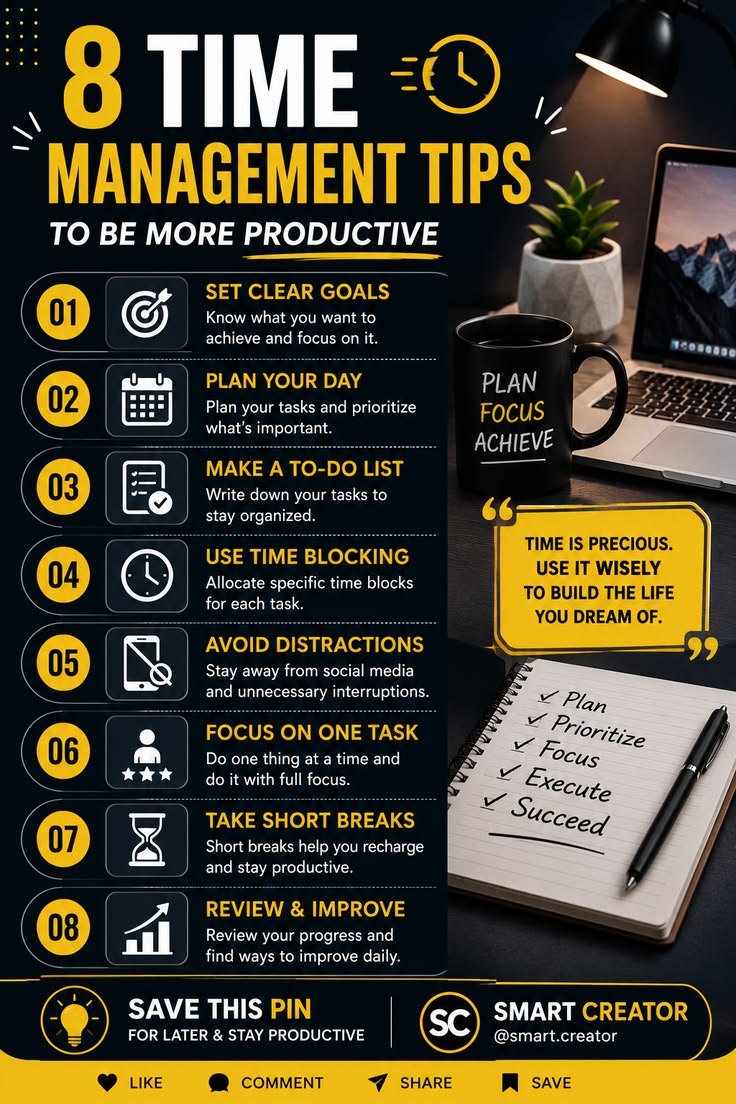
3. Time Management and Meeting Deadlines
Meeting deadlines is essential in international business because delays can affect customers, budgets, business relationships, and other connected projects.
Project managers must understand how to prioritize tasks, create realistic schedules, monitor progress, and identify activities that could delay completion.
They also need to recognize that international teams may work in different time zones. Scheduling meetings and setting deadlines should take these differences into consideration.
Using calendars, task lists, reminders, and project management software can make it easier to organize responsibilities and track important dates.
Strong time management helps project managers keep work moving without placing unnecessary pressure on their teams.
4. Problem-Solving and Critical Thinking
Every project can experience unexpected challenges. A supplier may deliver materials late, a team member may leave, a budget may become insufficient, or a technical issue may prevent work from continuing.
International companies value project managers who can assess these situations and identify practical solutions.
Problem-solving involves understanding the cause of an issue, evaluating available options, considering possible consequences, and choosing an appropriate response.
Critical thinking is equally important because project managers must sometimes make decisions using incomplete information.
Instead of reacting emotionally when something goes wrong, effective professionals examine the facts and focus on solutions that support the project’s objectives.
5. Budgeting and Financial Management
Managing project costs is another important responsibility. International companies need project managers who understand how to prepare budgets, monitor spending, allocate resources, and avoid unnecessary expenses.
A project manager may need to estimate costs for employees, equipment, software, travel, suppliers, and other business activities.
Working with international teams can introduce additional financial considerations, including currency exchange rates, taxes, international payment charges, and differences in supplier costs.
Although project managers do not always handle every financial responsibility themselves, they should understand how financial decisions affect project performance.
Basic budgeting, cost estimation, expense tracking, and financial reporting skills can therefore provide a valuable career advantage.
6. Risk Management
Risk management involves identifying potential problems before they seriously affect a project.
For example, an international project may face cybersecurity threats, supply chain interruptions, regulatory changes, currency fluctuations, communication difficulties, or unexpected increases in operating costs.
A skilled project manager considers these possibilities during the planning stage and develops strategies to reduce their impact.
This may involve creating backup plans, setting aside contingency funds, identifying alternative suppliers, or improving data protection procedures.
Risk management is particularly valuable in international companies because projects often depend on people, systems, and resources located in different parts of the world.
7. Knowledge of Project Management Tools
Technology plays an important role in modern project management. International companies frequently use digital platforms to organize tasks, share documents, communicate with employees, and monitor project performance.
Some commonly used tools include:
- Asana: Helps teams organize tasks, assign responsibilities, and monitor progress.
- Trello: Uses boards and cards to manage workflows and project activities.
- Jira: Supports project tracking, particularly in software development and technical teams.
- Microsoft Project: Helps with scheduling, resource management, and project planning.
- Monday.com: Provides tools for managing workflows, projects, and team collaboration.
- Slack: Supports communication between remote and international teams.
Project managers do not need to master every platform. However, understanding how to use relevant tools can improve productivity and make collaboration easier.
Employers often value professionals who can learn new software quickly and use technology to organize complicated projects.
8. Cultural Awareness and International Collaboration
Working with people from different countries requires cultural awareness. International teams may have different communication styles, workplace expectations, decision-making approaches, and approaches to deadlines.
Project managers should respect these differences and avoid assuming that everyone works in exactly the same way.
For example, some employees may prefer direct communication, while others may use a more formal approach. Understanding these differences can reduce misunderstandings and improve teamwork.
Cultural awareness also involves respecting local holidays, working hours, professional customs, and language differences.
Professionals who can build positive relationships across cultures are valuable to organizations operating internationally.
9. Adaptability and Flexibility
Business conditions can change quickly. A company may introduce new technology, change its priorities, adjust its budget, or respond to unexpected market developments.
Project managers must be willing to adjust plans when necessary.
Adaptability means remaining focused on the overall objective while finding new ways to handle changing circumstances.
For example, if an international team cannot complete a task because of a technical problem, the project manager may need to reorganize responsibilities or introduce an alternative process.
Flexible professionals are better prepared to work in changing business environments and support projects through difficult situations.
10. Negotiation and Conflict Resolution
Disagreements can happen when employees have different opinions about deadlines, responsibilities, resources, or project priorities.
Project managers need negotiation and conflict-resolution skills to handle these situations professionally.
Negotiation involves understanding the needs of different parties and finding solutions that support the project’s objectives.
Conflict resolution requires listening to everyone involved, identifying the source of disagreement, and encouraging a fair discussion.
These abilities are especially useful when dealing with international clients, suppliers, business partners, and employees from different departments.
11. Planning and Organizational Skills
Successful projects begin with proper planning. Project managers must understand the project’s objectives, identify the work required, assign responsibilities, estimate resources, and establish realistic timelines.
Organizational skills help them manage several activities without losing track of important details.
A well-organized project manager can prepare schedules, maintain records, monitor task completion, and ensure that everyone understands their responsibilities.
Good planning also makes it easier to measure progress and identify problems early.
12. Data Analysis and Reporting
International companies often use data to evaluate project performance and make business decisions.
Project managers should understand how to interpret basic project information, including costs, deadlines, productivity, resource usage, and completed tasks.
For example, a project manager may review reports to determine whether a project is behind schedule or exceeding its budget.
Basic spreadsheet knowledge, data interpretation, and reporting skills can help professionals present accurate information to senior management and stakeholders.
Being able to explain what project data means is just as important as collecting it.
13. Understanding Agile and Other Project Management Methods
Different organizations use different approaches to manage projects. Understanding common project management methods can help professionals adapt to different workplaces.
Some widely recognized approaches include:
Agile: An approach that emphasizes flexibility, collaboration, regular feedback, and delivering work in smaller stages.
Scrum: An Agile framework that organizes work into short periods called sprints, with regular planning and review activities.
Waterfall: A structured approach where project activities generally follow a sequence, with one stage completed before the next begins.
Kanban: A method that uses visual boards to show tasks, their progress, and work in different stages.
Project managers should understand the basic principles behind these methods and recognize which approach may suit a particular project.
14. Emotional Intelligence
Emotional intelligence helps project managers understand their own emotions and respond appropriately to the feelings of others.
Managing international projects can sometimes involve pressure, disagreements, tight deadlines, and unexpected changes. Professionals need to remain calm and communicate respectfully during difficult situations.
Emotional intelligence also helps managers recognize when employees need support, encouragement, or clearer instructions.
A project manager who understands people can build stronger relationships, improve team morale, and create a healthier working environment.
How Can You Develop Project Management Skills for International Jobs?
You do not necessarily need years of management experience to begin developing project management abilities. There are several practical ways to build these skills.
Take online courses: Learning platforms offer courses covering project planning, leadership, budgeting, Agile methods, and risk management.
Learn project management software: Practise using tools such as Trello, Asana, Jira, or Microsoft Project.
Work on practical projects: Organize a personal project, volunteer activity, student assignment, or small business task. These experiences can help you understand planning, teamwork, and deadlines.
Improve your communication: Practise writing professional emails, preparing reports, presenting ideas, and communicating with people from different backgrounds.
Consider professional certifications: Qualifications such as the Project Management Professional (PMP), Certified Associate in Project Management (CAPM), and PRINCE2 certifications may support career development. Check each certification’s eligibility requirements before applying.
Build a professional portfolio: Keep examples of project plans, schedules, reports, and completed work where you have permission to share them. Explain your responsibilities and the results you achieved.
Conclusion
Project management skills are essential in international companies because businesses need professionals who can coordinate people, manage resources, solve problems, and deliver results across different locations.
Communication, leadership, time management, budgeting, risk management, cultural awareness, and knowledge of project management software are among the most valuable abilities employers seek.
However, technical knowledge alone is not enough. Successful project managers must also understand people, adapt to changing situations, and make responsible decisions.
Whether you are a recent graduate, an experienced employee, a freelancer, or someone planning to move into management, developing these skills can help you prepare for opportunities in international organizations.
The best way to begin is to combine professional learning with practical experience. Start with the skills most relevant to your career goals, practise using project management tools, and gradually build the experience needed to manage larger projects.