In today’s competitive job market, having professional qualifications and work experience is important, but knowing how to present yourself online can make an additional difference. Employers, recruiters, business owners, and potential clients increasingly use professional networking platforms to discover talented individuals and learn about their expertise.
One of the most useful platforms for achieving this is LinkedIn. It allows professionals to showcase their experience, share industry knowledge, connect with people around the world, and establish a recognizable professional identity.
Building a personal brand on LinkedIn is not simply about having thousands of connections or regularly publishing posts. It involves communicating what you do, what you know, what makes your experience valuable, and how you can contribute to your industry.
Whether you are a recent graduate, freelancer, job seeker, entrepreneur, or experienced professional, developing a strong LinkedIn presence can help you create meaningful career opportunities.
So, what LinkedIn strategies help professionals build a personal brand? Here are some practical approaches to consider.
1. Create a Professional and Attractive LinkedIn Profile
Your LinkedIn profile is often the first place people visit when they want to learn about you professionally. It should clearly communicate your skills, experience, interests, and career direction.
Start by using a professional profile photograph that makes you appear approachable and confident. Choose a background image that reflects your industry, professional interests, or personal brand.
Your profile should also include:
- Your full professional name.
- A clear and relevant headline.
- A well-written About section.
- Your employment history.
- Education and professional qualifications.
- Relevant skills and certifications.
- Projects, achievements, and portfolio examples.
Avoid leaving important sections incomplete. A well-organized profile makes it easier for recruiters, potential clients, and professional contacts to understand your background.
2. Write a Strong LinkedIn Headline
Your headline is one of the most visible parts of your profile. It appears alongside your name in search results, comments, connection requests, and other LinkedIn activities.
Instead of using only a job title, explain your professional focus and the value you offer.
For example, rather than writing:
“Freelancer”
You could write:
“Content Writer | SEO Specialist | Helping Businesses Create Engaging Digital Content”
Another example could be:
“Graphic Designer | Brand Identity and Social Media Design | Creative Visual Solutions”
A strong headline should be clear, relevant, and easy to understand. Include professional keywords that accurately describe your expertise so people searching for those skills can better understand your profile.
3. Develop a Personal Brand Around Your Expertise
One common mistake professionals make is trying to present themselves as experts in too many unrelated areas.
A stronger approach is to identify the main professional subjects you want people to associate with your name.
For example:
- A digital marketer can focus on SEO, social media marketing, and online advertising.
- A software developer can share insights about programming, technology, and software development.
- A freelancer can discuss client relationships, project management, and independent work.
- A finance professional can publish content about financial analysis, budgeting, and business finance.
Choosing a clear professional direction makes your content more consistent and helps audiences understand what you bring to the industry.
You can still explore different interests, but your main topics should support the professional identity you want to establish.
Publishing useful content is one of the most effective ways to demonstrate your knowledge on LinkedIn.
Instead of posting only about your achievements or asking people to hire you, share information that helps your audience learn something useful.
For example, a project manager could explain how to organize remote teams, while a graphic designer could share practical branding tips.
Content ideas include:
- Industry trends and developments.
- Lessons learned from professional experiences.
- Practical tutorials and educational tips.
- Common mistakes in your industry.
- Career development advice.
- Project experiences and case studies.
- Useful tools and resources.
- Professional challenges and their solutions.
Your posts do not always need to be complicated. A clear explanation of something you understand can provide value to people interested in your field.
5. Maintain a Consistent Posting Schedule
Consistency helps people become familiar with your professional identity.
Publishing several posts in one week and then disappearing for months can make it difficult to maintain an active presence.
Create a realistic schedule that fits your availability. For example, you could begin by publishing two or three useful posts each week.
You might organize your content around different themes:
Monday: Share an educational tip related to your profession.
Wednesday: Discuss an industry trend or professional lesson.
Friday: Share a project update, career experience, or useful resource.
You do not need to publish every day to build a recognizable personal brand. Focus on creating useful content regularly rather than publishing frequently without a clear purpose.
6. Use LinkedIn Articles and Newsletters
LinkedIn provides publishing features that allow professionals to share more detailed knowledge.
Regular posts are useful for short discussions, while longer articles can help you explore complicated subjects.
For example, a cybersecurity professional could write about common online security risks, while a business consultant could publish an article about improving business operations.
LinkedIn newsletters can also help professionals develop a regular audience around a particular subject.
Consider creating a newsletter focused on one area of expertise, such as:
- Digital marketing and business growth.
- Freelancing and remote work.
- Artificial intelligence and technology.
- Leadership and professional development.
- Career opportunities and workplace skills.
The goal should be to provide consistent information that readers find valuable.
7. Build Meaningful Professional Connections
Networking is an important part of personal branding. LinkedIn gives you the opportunity to connect with people who share your professional interests or work in industries you want to explore.
However, building a useful network is not about collecting as many connections as possible.
Focus on connecting with:
- Recruiters and hiring managers.
- Professionals in your industry.
- Business owners and entrepreneurs.
- Potential clients and collaborators.
- Industry educators and experienced specialists.
- People working in international organizations.
When sending connection requests, personalize your message whenever possible.
For example, mention a professional discussion you found interesting or explain why you would like to connect.
Building relationships through genuine conversations is more valuable than sending identical promotional messages to hundreds of people.
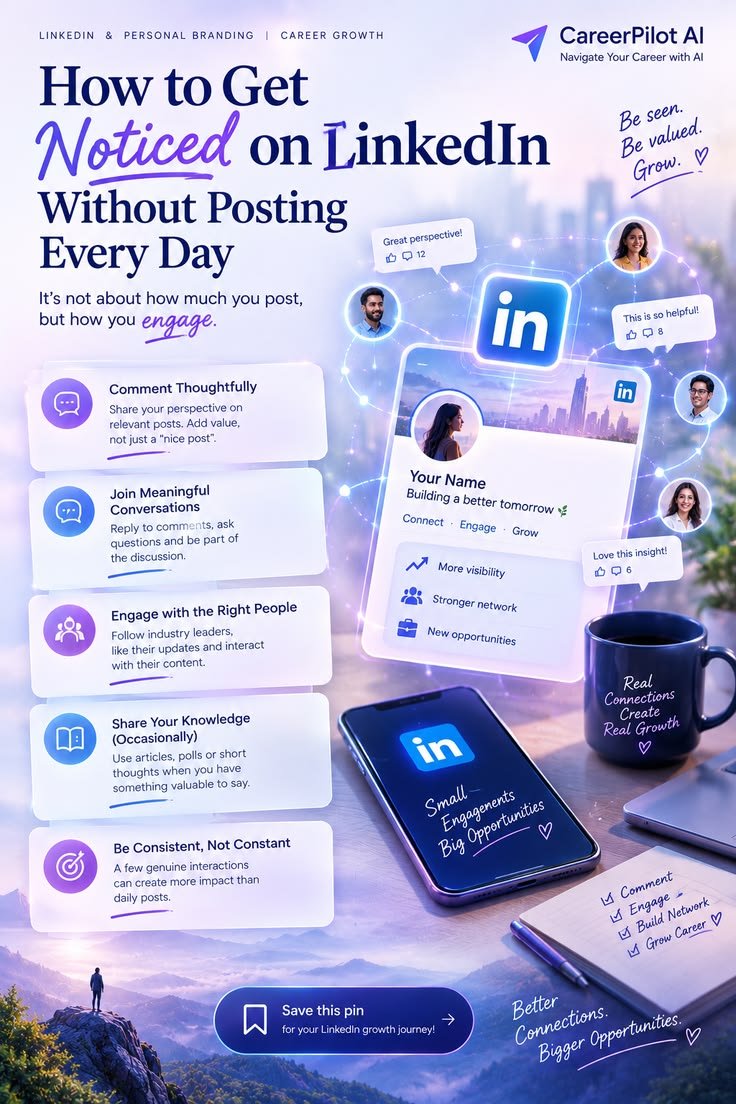
8. Engage With Other Professionals’ Content
Building a personal brand does not mean publishing your own posts and ignoring everyone else.
Engaging with other people’s content can help you become more visible within your professional community.
You can:
- Leave thoughtful comments on industry discussions.
- Share useful posts with your own observations.
- Ask relevant questions.
- Congratulate professionals on meaningful achievements.
- Participate in discussions about industry developments.
- Offer practical suggestions when appropriate.
Avoid leaving generic comments such as “Great post” on every publication.
Instead, contribute something meaningful. A thoughtful comment can demonstrate your knowledge and encourage other professionals to visit your profile.
9. Showcase Your Work and Professional Achievements
People are more likely to understand your abilities when they can see examples of what you have accomplished.
LinkedIn’s Featured section allows you to highlight selected professional materials.
You can include:
- Portfolio projects.
- Published articles.
- Professional presentations.
- Case studies.
- Project demonstrations.
- Certificates and completed training.
- Interviews or media appearances.
- Links to your professional website.
For example, a freelance writer could showcase published articles, while a web designer could display completed website projects.
When sharing work, explain your contribution and the outcome. Do not claim responsibility for results you did not achieve or disclose confidential information from previous clients.
10. Collect Recommendations and Skill Endorsements
Recommendations and endorsements can strengthen your professional profile.
A LinkedIn recommendation is a written statement from someone who has worked with you and can describe your professional abilities.
You could request recommendations from former managers, colleagues, clients, supervisors, or project collaborators.
Ask people who understand your work and can provide honest feedback.
Skill endorsements allow your connections to recognize skills listed on your profile.
Although recommendations and endorsements do not guarantee employment, they can provide additional context about your professional relationships and abilities.
11. Participate in Relevant LinkedIn Groups
LinkedIn Groups provide opportunities to interact with professionals who share particular interests.
You can find communities focused on industries, professional skills, business development, technology, freelancing, and career growth.
Participating in relevant groups can help you:
- Learn from experienced professionals.
- Discover industry discussions.
- Ask career-related questions.
- Share useful resources.
- Build professional relationships.
- Identify potential collaboration opportunities.
Choose groups that are active and relevant to your career goals. Focus on contributing useful information instead of using every discussion to advertise your services.
12. Use LinkedIn Analytics to Understand Your Performance
Building a personal brand requires understanding what attracts attention and encourages meaningful engagement.
LinkedIn provides different profile and content insights, depending on your account and available features.
You can use available analytics to understand:
- How many people view your profile.
- Which posts receive engagement.
- How audiences interact with your content.
- Whether your professional content attracts relevant attention.
- Which topics generate meaningful discussions.
For example, if your posts about remote work receive more relevant engagement than general motivational quotes, you may decide to create more content about remote careers.
However, do not judge your entire personal brand by likes and views. Meaningful conversations, professional connections, profile visits, and relevant opportunities can be more valuable.
13. Develop a Professional Communication Style
Your personal brand is influenced by how you communicate with other people.
The way you write posts, respond to comments, send messages, and participate in discussions contributes to how others perceive you.
Maintain a professional but natural communication style.
Avoid unnecessary arguments, disrespectful comments, exaggerated claims, and misleading information.
You should also be careful when sharing opinions about sensitive workplace or industry issues. Express your views respectfully and distinguish personal opinions from verified facts.
A consistent communication style helps establish trust and makes professional interactions more productive.
14. Keep Your Profile Updated With New Skills
Your personal brand should reflect your current abilities rather than only describing what you did several years ago.
Industries change, new technologies emerge, and employers develop different expectations.
Regularly update your profile when you complete relevant training, gain new experience, develop a professional skill, or finish an important project.
For example, a marketing professional who learns AI-assisted marketing tools should consider adding relevant skills and practical project examples.
Similarly, a freelancer who develops project management experience can update their profile to reflect their expanded services.
Continuous learning helps keep your professional identity relevant in a changing job market.
15. Be Authentic and Avoid Pretending to Be an Expert
A successful personal brand should represent your real abilities, experience, and professional interests.
Some professionals make the mistake of exaggerating their achievements or presenting themselves as experts in areas they have barely explored.
This can damage credibility when potential employers or clients ask questions about their experience.
You do not need to pretend to know everything to build a strong professional identity.
If you are a beginner, share what you are learning, discuss your progress, and demonstrate your ability through practical projects.
Authenticity helps people understand your professional journey and creates opportunities to build genuine relationships.
How Long Does It Take to Build a Personal Brand on LinkedIn?
Building a recognizable personal brand takes time. There is no guaranteed period within which someone will become widely known or attract professional opportunities.
Your progress depends on several factors, including:
- The relevance of your professional expertise.
- The quality of your content.
- How consistently you participate.
- The strength of your professional network.
- The demand for your skills.
- Your ability to communicate and demonstrate value.
Some professionals may begin receiving relevant profile visits and conversations relatively quickly, while others may need several months of consistent activity to develop an audience.
Rather than focusing only on how quickly you can gain followers, concentrate on building credibility and connecting with people who are relevant to your professional goals.
Conclusion
LinkedIn offers professionals an opportunity to build a recognizable personal brand, demonstrate their expertise, and connect with people across international industries.
Creating a complete profile, choosing a clear professional identity, sharing useful content, building meaningful connections, and showcasing your achievements are some of the most effective strategies to consider.
You should also remain consistent, engage with other professionals, develop new skills, and communicate authentically.
Whether you are searching for international employment, growing a freelance business, attracting clients, or developing your professional reputation, a strong LinkedIn presence can support your long-term career goals.
Start by improving your profile, choose the professional subjects you want to be known for, and share knowledge that provides value to others. Over time, these efforts can help you develop a stronger professional identity and become more visible within your industry.