cGraduating from university or college is an important milestone, but finding your first job can be challenging. Many employers request previous work experience, while fresh graduates are still trying to gain practical exposure and establish themselves professionally.
Fortunately, professional networking platforms have made it easier for graduates to connect with employers, discover vacancies, learn about industries, and present their abilities to potential recruiters.
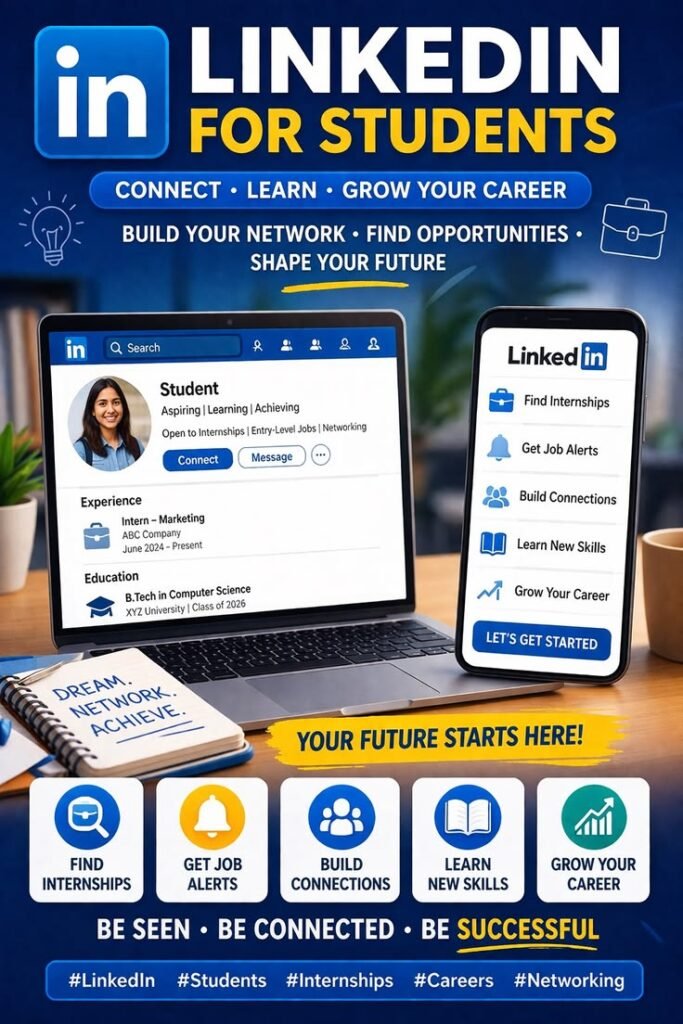
One of the most useful platforms for this purpose is LinkedIn. It allows graduates to create professional profiles, showcase academic achievements, connect with experienced professionals, and apply for opportunities across different countries.
However, simply opening a LinkedIn account is not enough. You need to understand how to use the platform strategically to attract attention and improve your chances of securing employment.
Here are practical ways fresh graduates can use LinkedIn to find their first job.
1. Create a Professional LinkedIn Profile
Your LinkedIn profile acts as an online professional introduction. It helps recruiters understand your education, interests, abilities, and career goals.
Even if you have never worked in a full-time position, you can create a strong profile by highlighting your academic background, practical projects, internships, volunteer activities, and relevant skills.
Start by completing these sections:
- Profile photograph.
- Professional headline.
- About section.
- Education.
- Experience.
- Skills.
- Courses and certifications.
- Projects.
- Languages.
Choose a clear, recent photograph and provide accurate information throughout your profile.
LinkedIn’s graduate guidance emphasizes showcasing skills, highlighting achievements, and featuring examples of work rather than relying only on a long employment history. students.linkedin.com
2. Write a Headline That Shows Your Career Direction
Your headline appears near your name and helps people understand your professional interests.
Avoid writing only “Unemployed Graduate” or “Looking for a Job.” Instead, describe your field, relevant abilities, and the type of work you want to pursue.
For example:
- Recent Accounting Graduate | Financial Reporting | Excel | Data Analysis
- Computer Science Graduate | Python | Web Development | Software Engineering
- Business Administration Graduate | Administration | Customer Relations | Project Support
- Marketing Graduate | Digital Marketing | SEO | Social Media Management
- Engineering Graduate | Technical Support | Project Coordination | Problem-Solving
Your headline should reflect your actual abilities and career direction. You do not need to pretend to have professional experience you have not gained.
3. Highlight Your Education and Academic Achievements
As a fresh graduate, your education is an important part of your professional background.
Include your institution, qualification, area of study, and graduation date where appropriate.
You can also mention relevant academic achievements, such as:
- Research projects.
- Final-year projects.
- Academic awards.
- Relevant coursework.
- Student leadership positions.
- Professional competitions.
- University organizations.
For example, a graduate who completed a research project involving financial data analysis can describe the project and explain the tools and methods used.
This helps employers understand the knowledge and abilities you developed during your studies.
4. Add Skills That Employers Are Looking For
Recruiters frequently search for candidates using specific skills and professional keywords.
Therefore, graduates should identify the abilities commonly requested in job descriptions within their preferred industries.
Some useful skills include:
- Communication.
- Microsoft Excel.
- Data analysis.
- Customer service.
- Project management.
- Digital marketing.
- Problem-solving.
- Research.
- Programming.
- Teamwork.
- Time management.
- AI productivity tools.
Choose skills you genuinely possess and can demonstrate.
You can also ask lecturers, internship supervisors, former colleagues, or project teammates to endorse relevant abilities when appropriate.
5. Use LinkedIn to Search for Entry-Level Jobs
LinkedIn provides a job-search feature that helps graduates discover employment opportunities.
Visit the Jobs section and search for positions that match your qualifications and interests.
Useful search terms include:
- Graduate trainee.
- Entry-level jobs.
- Junior analyst.
- Graduate engineer.
- Assistant accountant.
- Junior developer.
- Administrative assistant.
- Marketing assistant.
- Customer support representative.
- Research assistant.
You can narrow your search using available filters for location, experience level, workplace type, and employment arrangement.
Do not limit yourself to positions containing the word “graduate.” Some companies advertise suitable opportunities under titles such as assistant, associate, junior, or trainee.
LinkedIn also recommends saving relevant jobs and setting alerts so you can receive notifications when matching opportunities appear. LinkedIn
6. Connect With Recruiters and Hiring Managers
Networking is one of the most useful ways to develop professional relationships and learn about potential employment opportunities.
Search for recruiters, talent acquisition specialists, human resources professionals, and hiring managers working in your preferred industry.
When sending a connection request, include a short, polite message explaining why you would like to connect.
For example, you could introduce yourself as a recent graduate interested in learning more about opportunities in finance, technology, marketing, or administration.
Avoid immediately sending lengthy messages asking strangers to give you a job.
Instead, build genuine professional relationships by asking thoughtful questions, participating in discussions, and learning from experienced people.
7. Connect With University Alumni
Your university’s former students can be a valuable source of career information.
Some graduates may already be working in companies, industries, and countries where you would like to build your career.
Use LinkedIn’s university search and Alumni features to discover people who studied at the same institution.
You can learn:
- Which companies employ graduates from your institution.
- What career paths former students followed.
- Which professional skills helped them progress.
- What industries offer relevant opportunities.
- Whether they can share advice about entering the job market.
When contacting alumni, explain your shared educational background and ask for professional advice rather than expecting immediate employment.
8. Showcase Your Projects and Practical Experience
One common challenge for fresh graduates is the belief that they cannot demonstrate experience without having held a formal job.
However, practical experience can come from several sources.
You can showcase:
- University projects.
- Internships.
- Volunteer assignments.
- Freelance work.
- Personal projects.
- Research activities.
- Online training exercises.
- Community initiatives.
For example, a graduate interested in web development could create a sample website and share the project on LinkedIn.
A marketing graduate could develop a sample social media campaign, while an accounting graduate could demonstrate spreadsheet and financial reporting skills using fictional or publicly available data.
Use the Featured section to display relevant work, presentations, documents, and portfolio links.
9. Follow International Companies and Employers
LinkedIn allows users to follow companies and receive updates about their activities.
Fresh graduates interested in international careers can identify organizations operating in their preferred industries and follow their official pages.
Look for:
- Multinational companies.
- Technology organizations.
- Financial institutions.
- International recruitment agencies.
- Consulting firms.
- Engineering companies.
- Healthcare organizations.
- Remote-first businesses.
Following employers can help you discover recruitment announcements, graduate programmes, internships, and information about workplace culture.
Research each organization before applying so that you understand its business activities and recruitment requirements.
10. Turn On the Open to Work Feature
LinkedIn’s Open to Work feature allows job seekers to communicate their interest in new opportunities.
Fresh graduates can use it to indicate their preferred job titles, employment types, and locations.
Depending on the available settings, you can select opportunities such as:
- Full-time employment.
- Part-time employment.
- Internship positions.
- Contract work.
- Remote opportunities.
- Hybrid positions.
- Graduate programmes.
You can also choose whether your availability is visible to all LinkedIn members or restricted to recruiters, depending on the options provided.
Make sure your preferences accurately reflect the opportunities you are willing and eligible to accept. students.linkedin.com
You do not need years of experience to contribute something useful on LinkedIn.
Sharing professional content can help you demonstrate your interests, communication abilities, and willingness to learn.
For example, you could share:
- What you learned during an internship.
- A university project you completed.
- A professional course you finished.
- An industry topic you researched.
- A new skill you are developing.
- A career lesson from a webinar.
- A portfolio project you recently created.
Keep your posts professional, relevant, and authentic.
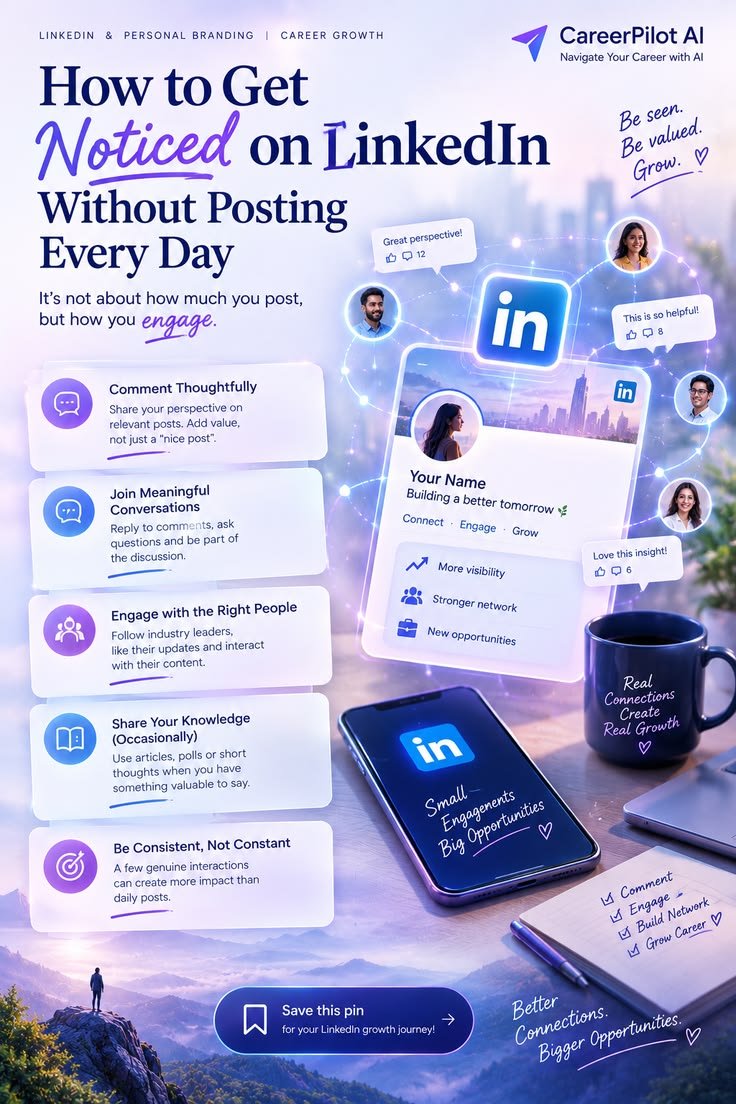
You can also comment thoughtfully on posts published by companies, recruiters, and industry professionals.
Consistent participation may help you develop relationships and become more visible within your professional community. students.linkedin.com
12. Apply for Internships and Graduate Trainee Programmes
Your first professional opportunity does not necessarily need to be a permanent full-time position.
Internships, apprenticeships, graduate trainee programmes, and entry-level contracts can help you develop practical experience.
Search LinkedIn using terms such as:
- Graduate internship.
- Management trainee.
- Graduate development programme.
- Entry-level internship.
- Junior professional.
- Trainee analyst.
- Graduate recruitment.
Read the eligibility requirements carefully, especially when applying for international programmes.
Some opportunities may require specific qualifications, language abilities, work authorization, or relocation.
13. Prepare a Professional CV for LinkedIn Applications
A strong LinkedIn profile should support your CV rather than replace it.
Before applying, prepare a professional CV that clearly presents your education, skills, projects, training, and any relevant work experience.
Tailor your CV to the position instead of submitting exactly the same document for every vacancy.
Pay attention to the job description and include relevant skills and achievements that accurately reflect your background.
When an application requires you to complete the process on a company’s official careers website, follow the employer’s instructions.
14. Be Consistent and Avoid Job Scams
Finding your first job may take time, so it is important to approach LinkedIn with patience and consistency.
Create a simple weekly routine:
- Search for relevant vacancies.
- Apply for suitable positions.
- Connect with professionals.
- Follow companies.
- Update your profile.
- Improve your skills.
- Review your application progress.
Also, be careful with suspicious job offers. Avoid recruiters who demand payment to guarantee employment, request passwords or verification codes, or pressure you into unusual payment arrangements.
Verify employers and recruitment information before sharing personal documents or financial details.
Final Thoughts
LinkedIn can be a valuable career-building platform for fresh graduates who want to find their first job. It provides opportunities to connect with recruiters, explore international companies, discover graduate programmes, showcase practical projects, and build professional relationships.
You do not need an impressive employment history to begin. Your education, transferable skills, personal projects, internships, and willingness to learn can all help you establish a professional presence.
Start by creating a complete profile, identifying suitable entry-level positions, connecting with alumni, and applying consistently.
Your first job may not be your dream position, but it can provide the experience, professional relationships, and practical knowledge needed to develop a successful career.