LinkedIn has become one of the most useful platforms for professionals who want to grow their careers, find new opportunities, connect with employers, and build strong professional networks. Whether you are a student, freelancer, job seeker, business owner, or experienced professional, having a visible LinkedIn profile can help more people discover your skills and experience.
However, simply creating a LinkedIn account does not guarantee that recruiters, potential clients, or other professionals will visit your profile. You need to make your profile attractive, share useful content, participate in professional discussions, and build meaningful connections.
The good news is that you do not need thousands of followers or a premium subscription to improve your visibility. With consistent effort and the right approach, you can attract more profile visitors and create valuable professional opportunities.
Here are practical ways to get more profile views on LinkedIn.
1. Create a Professional and Attractive Profile
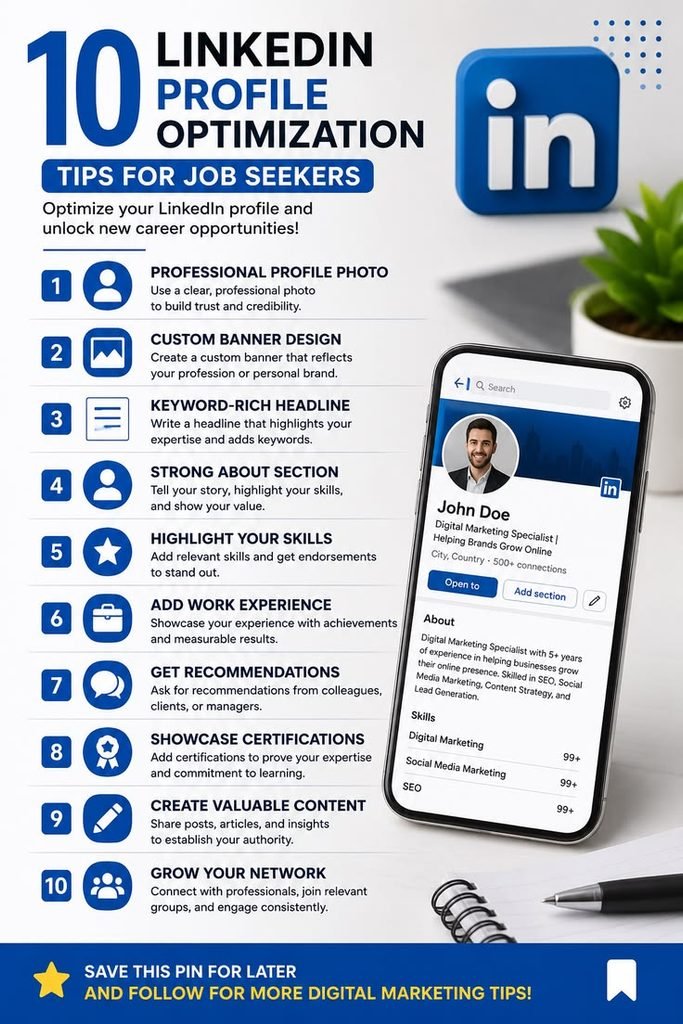
Your LinkedIn profile is often the first impression people have of you. When someone visits your page, they should quickly understand who you are, what you do, and what professional value you can offer.
Start by adding a clear, professional profile photograph. Choose a recent picture with good lighting and a simple background. You do not necessarily need an expensive professional photoshoot. A clean, friendly photograph can help your profile look more approachable.
You should also add a suitable background banner that reflects your professional interests, industry, or services.
Make sure your profile includes your education, work experience, skills, certifications, and relevant achievements. An incomplete profile may leave visitors with unanswered questions about your professional background.
2. Write a Headline That Attracts Attention
Your LinkedIn headline is one of the most important parts of your profile because it appears alongside your name in search results, connection requests, comments, and posts.
Instead of writing only your current job title, use your headline to explain your professional skills and the value you provide.
For example, rather than writing:
“Freelancer”
You could write:
“Freelance Content Writer | SEO Blog Writing | Website Content | Helping Businesses Communicate Clearly”
Similarly, a recent graduate could use:
“Business Administration Graduate | Digital Marketing Enthusiast | Interested in International Career Opportunities”
Include relevant keywords that recruiters, employers, and potential clients might use when searching for professionals with your skills.
3. Use Relevant Keywords Throughout Your Profile
Keywords help people understand your professional background and can make your profile more relevant to searches.
Think about the words someone might enter when looking for a person with your experience. If you work in digital marketing, for example, relevant terms might include SEO, social media management, content marketing, email marketing, and digital strategy.
Include suitable keywords naturally in your:
- Professional headline.
- About section.
- Work experience.
- Skills section.
- Certifications.
- Project descriptions.
Avoid repeating the same keywords unnecessarily. Your profile should sound natural and clearly explain what you can do.
4. Publish Valuable and Informative Content
One effective way to increase your visibility is to share useful content with your LinkedIn network.
You can publish short professional tips, career lessons, industry updates, personal experiences, project achievements, and educational information related to your field.
For example, a graphic designer could share a recent design project and explain the creative process. A freelancer could discuss lessons learned while working with international clients. Someone interested in technology could share useful information about artificial intelligence or emerging digital skills.
Your content should provide value rather than simply asking people to visit your profile.
When readers find your posts helpful, some may become interested in learning more about your experience and professional services.
Consistency is important. Develop a realistic publishing schedule that allows you to share quality content without overwhelming yourself.
5. Engage With Posts From Other Professionals
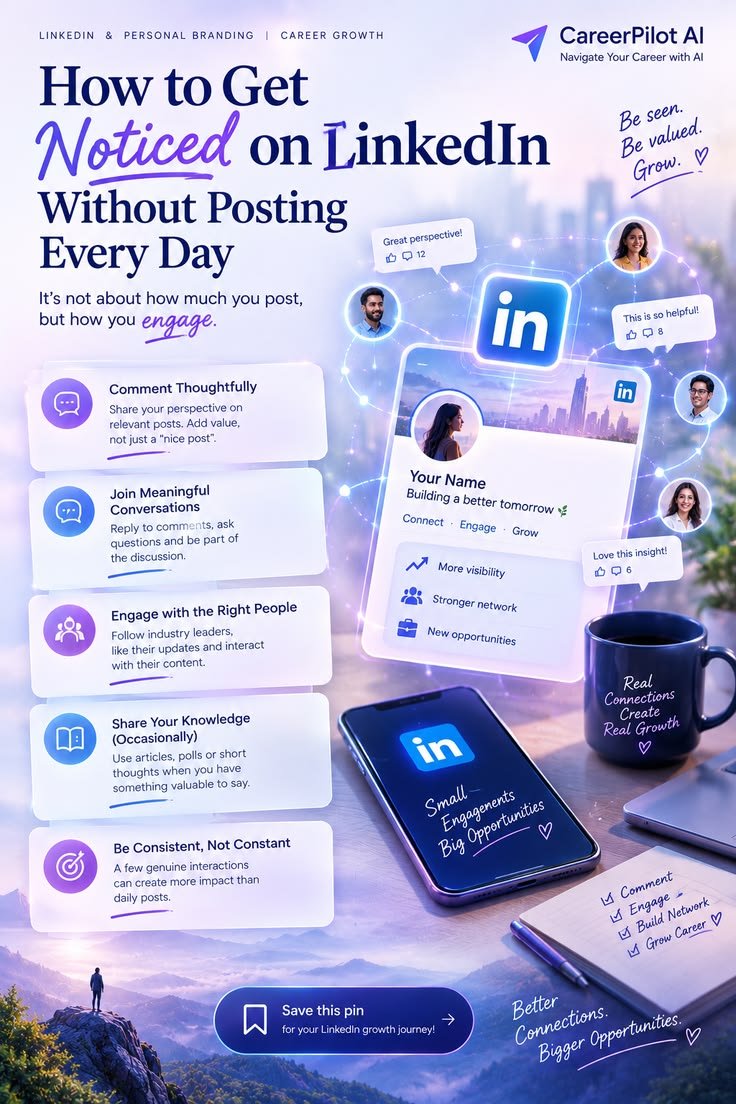
You do not have to publish your own content every day to become more visible on LinkedIn.
Commenting on relevant posts can also introduce your profile to people outside your immediate network.
Look for discussions involving your industry, professional interests, career development, or areas of expertise. When you find something interesting, leave a thoughtful comment that adds information or a useful perspective.
For example, if someone shares an article about remote work, you could discuss an important skill that helps remote teams communicate effectively.
Avoid comments such as “Nice post” or “Great information” every time. Although there is nothing wrong with being supportive, meaningful comments are more likely to demonstrate your knowledge.
6. Expand Your Professional Network
Building relevant connections can help more people discover your profile.
Connect with professionals in your industry, recruiters, business owners, potential clients, former classmates, colleagues, and people who share your career interests.
When sending connection requests, consider including a short personalized message explaining why you would like to connect.
For example, you might mention that you found their professional experience interesting or that you share an interest in a particular industry.
Do not focus only on collecting a large number of connections. Building relationships with people who share relevant professional interests is more valuable than sending random requests.
7. Complete Your About Section
Your About section gives you an opportunity to explain your professional identity in more detail.
Use it to introduce yourself, describe your main skills, highlight your experience, and explain the type of opportunities you are interested in.
For example, a freelance professional could explain the services they offer, the industries they work with, and the problems they help clients solve.
A job seeker could discuss their educational background, technical abilities, professional interests, and career goals.
Write in a clear and conversational style. Avoid copying a generic biography that could describe almost anyone.
A well-written About section gives visitors a reason to continue exploring your profile.
8. Add Projects, Certifications, and Achievements
People are more likely to take an interest in your profile when they can see evidence of your abilities.
If you have completed professional projects, online courses, training programmes, or certifications, consider adding them to the relevant sections of your profile.
Freelancers can showcase writing samples, graphic designs, websites, marketing campaigns, or other completed work.
Students and recent graduates can include academic projects, internships, volunteer activities, and practical assignments.
You can also use the Featured section to highlight important posts, articles, portfolio links, or professional achievements.
These examples help visitors understand what you can actually do rather than relying only on a list of skills.
9. Make Your Profile Public and Easy to Find
Your visibility settings can affect how people discover your profile.
Review your LinkedIn privacy and public profile settings to understand which sections are visible to other members and people outside the platform.
If you want recruiters, clients, and potential employers to find you through external search engines, consider enabling the relevant public profile visibility options.
You should also create a simple custom LinkedIn profile URL that is easy to share. For example, using your name or a professional variation of it can make your profile link look cleaner.
You can add this link to your email signature, online portfolio, professional website, and other appropriate platforms.
LinkedIn explains how members can manage their profile visibility through its official help centre.
10. Join Relevant LinkedIn Groups and Discussions
LinkedIn Groups can help you connect with people who share similar professional interests.
Look for groups related to your industry, career goals, professional skills, business interests, or areas of expertise.
Participate in discussions by answering questions, sharing useful resources, and contributing thoughtful opinions.
For example, someone interested in international freelancing could join communities discussing remote work, digital services, and independent business development.
Avoid joining groups simply to promote yourself. Focus on contributing useful information and building genuine professional relationships.
11. Use the Featured Section Effectively
The Featured section is an opportunity to highlight important professional information near the top of your LinkedIn profile.
You can use it to display:
- Your best professional posts.
- Articles you have written.
- Portfolio samples.
- Completed projects.
- Professional presentations.
- Relevant websites or business pages.
Choose items that demonstrate your strongest abilities and support your career goals.
For example, a content writer might feature three high-quality articles, while a web developer could showcase links to completed websites.
This gives profile visitors a quick way to explore your work.
12. Monitor Your LinkedIn Profile Analytics
Getting more profile views is useful, but understanding where those views come from can help you improve your strategy.
LinkedIn provides profile analytics that help members understand their visibility and engagement.
Two important measurements are profile appearances and profile views.
Profile appearances show how often your name and headline appear in places such as search results, posts, comments, and network recommendations. Profile views show how many people have actually visited your profile.
Review these figures regularly to understand whether your activity is improving your visibility.
You can also check which professionals are visiting your profile when their privacy settings allow their information to be displayed.
If your profile appearances are increasing but your profile views remain low, consider improving your headline and making your professional identity clearer.
13. Stay Active Without Spamming Your Network
Consistency can help you remain visible, but excessive posting and unnecessary promotional messages may damage your professional reputation.
Instead of publishing several low-quality posts every day, concentrate on sharing useful information and participating in relevant conversations.
You can create a weekly routine that includes publishing professional content, commenting on industry discussions, connecting with relevant people, and updating your profile when you gain new experience.
Avoid using automated engagement services, buying profile views, or sending large numbers of unrelated connection requests. These approaches may produce activity without creating meaningful professional relationships.
Focus on genuine engagement and long-term visibility.
14. Make Your Profile Relevant to Your Career Goals
Your LinkedIn profile should reflect the opportunities you want to attract.
If you are looking for international employment, highlight transferable skills, relevant experience, language abilities, certifications, and projects that demonstrate your readiness to work with global teams.
If you are a freelancer, explain your services, showcase your portfolio, and make it easy for potential clients to understand how to contact you.
If you are a student or recent graduate, highlight your education, practical projects, internships, volunteer experience, and willingness to learn.
A focused profile makes it easier for visitors to understand whether your professional background matches their needs.
Conclusion
Getting more profile views on LinkedIn requires more than creating an account and waiting for people to discover you. You need a professional profile, a clear headline, relevant keywords, valuable content, and meaningful engagement with other professionals.
Start by improving your profile photograph, headline, About section, experience, and skills. Then build your network, participate in professional discussions, share useful content, and monitor your analytics to understand what is working.
Most importantly, focus on attracting the right visitors rather than simply increasing numbers. A smaller number of relevant profile views from recruiters, employers, potential clients, or industry professionals may create more valuable opportunities than thousands of visits from people who have no interest in your work.
With patience, consistency, and a clear professional strategy, LinkedIn can become an important platform for building your reputation and growing your career internationally.