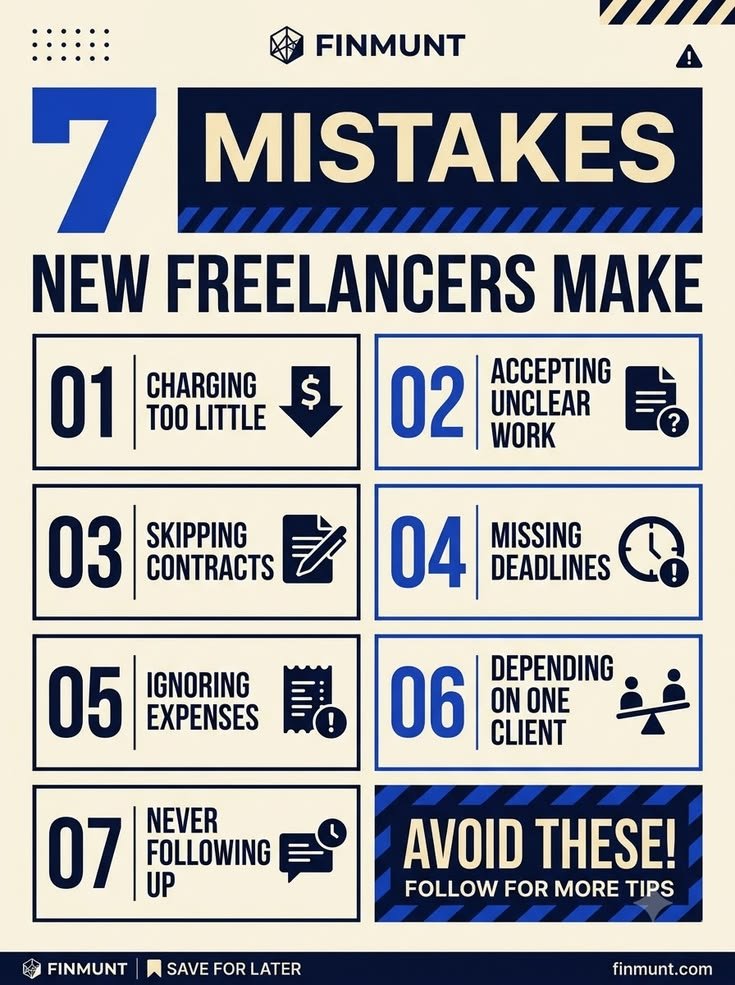

Freelancing offers the freedom to work independently, choose projects, and serve clients from different parts of the world. However, one of the biggest challenges freelancers face is earning a consistent monthly income. Some months bring several projects and attractive payments, while others may be surprisingly quiet.
Unlike traditional employees who usually receive a fixed salary, freelancers often depend on client projects, contracts, and payment schedules. This can make it difficult to plan expenses, save money, and achieve long-term financial goals.
The good news is that freelancers do not have to depend entirely on unpredictable projects. With the right skills, reliable client relationships, recurring services, and proper financial planning, it is possible to build a more stable freelance business.
Here are practical ways freelancers can create a dependable monthly income.
1. Choose a Freelance Skill With Consistent Demand
One of the first steps towards stable freelance earnings is choosing a skill that businesses and individuals need regularly.
Some freelance services are only required occasionally, while others involve ongoing responsibilities. For example, a business may need a website designed once, but it may require social media management, content creation, customer support, or website maintenance every month.
Freelance skills with opportunities for repeat work include:
- Content writing: Creating blog posts, website content, newsletters, and product descriptions.
- Graphic design: Designing social media graphics, advertisements, presentations, and marketing materials.
- Video editing: Editing promotional videos, YouTube content, and short-form videos.
- Social media management: Planning content, managing accounts, and monitoring engagement.
- Virtual assistance: Supporting businesses with scheduling, research, emails, and administrative tasks.
- Web development: Building, updating, and maintaining websites.
- SEO services: Improving website visibility through keyword research, content optimization, and technical improvements.
Choosing a service that clients need repeatedly can make it easier to develop long-term working relationships.
2. Build Long-Term Relationships With Clients
Finding new clients is important, but keeping existing clients can make freelance income more predictable.
When clients are satisfied with your work, they may return with additional projects or recommend your services to other businesses. This reduces the pressure to search for completely new opportunities every month.
To build strong client relationships:
- Deliver work before agreed deadlines whenever possible.
- Communicate clearly and professionally.
- Listen carefully to client requirements.
- Provide updates during longer projects.
- Be open to reasonable feedback.
- Maintain consistent quality.
- Understand the client’s long-term business needs.
After completing a successful project, ask whether the client needs ongoing assistance. For example, a business that hired you to write five blog posts might also need new articles every month.
The aim is to become a dependable professional whom clients are comfortable hiring again.
3. Offer Monthly Retainer Packages
Monthly retainers are among the most useful ways to create recurring freelance income.
A retainer is an agreement in which a client pays a freelancer a regular fee for clearly defined ongoing services or reserved working capacity.
For example:
- A writer can offer four blog articles every month.
- A graphic designer can provide twelve social media designs.
- A virtual assistant can offer twenty hours of administrative support.
- A social media manager can manage content scheduling and reporting.
- A website developer can provide monthly maintenance and updates.
Instead of negotiating a completely new project every time, the freelancer and client agree on the services, payment, and responsibilities in advance.
However, every retainer should have a clear scope. Specify the number of deliverables, working hours, revisions, deadlines, additional charges, and cancellation terms. This protects both parties and prevents unlimited work for a fixed fee.
4. Work With Multiple Clients
Depending on one client for your entire monthly income can be risky. If that client ends the contract, reduces the workload, or delays payment, your finances may suffer.
Working with several clients can reduce this risk.
For example, a freelance content writer might work with:
- A technology company that needs weekly articles.
- A marketing agency that needs occasional website content.
- An online business that requires monthly newsletters.
These relationships can provide different sources of income throughout the month.
However, avoid accepting more work than you can manage. The goal is to build a manageable client base, not to fill every available hour with deadlines.
5. Set Clear Monthly Income Goals
Freelancers should understand how much money they need to earn each month.
Start by calculating your essential expenses, including accommodation, food, transportation, internet access, software subscriptions, business costs, and savings.
Next, establish a realistic monthly income target.
For example, if your personal and business expenses total $1,000 per month, your freelance revenue target should be higher than $1,000 because you may also need to cover taxes, unexpected expenses, and savings.
Break your target into smaller goals. If you want to earn $2,000 in a month, you might aim for four clients paying $500 each, or two monthly contracts worth $700 each alongside smaller projects.
These are planning examples rather than guaranteed earnings. Your actual prices will depend on your skills, experience, clients, and market.
6. Avoid Depending on One Freelance Platform
Online freelance marketplaces can help professionals discover clients, especially when they are starting out. However, relying on one platform can create unnecessary business risks.
You may experience fewer invitations, increased competition, changes to platform rules, or difficulty finding suitable projects.
Consider using several client-acquisition channels, such as:
- Freelance marketplaces.
- LinkedIn.
- Professional communities.
- Business networking groups.
- Personal websites and portfolios.
- Referrals from existing clients.
- Direct outreach to companies.
Platforms such as Upwork, Fiverr, and Freelancer.com can be useful starting points, but building direct professional relationships can also help freelancers develop a business beyond any single marketplace.
7. Develop Additional Income Streams
A stable freelance business does not necessarily have to depend on one service.
Once you have developed a strong primary skill, consider adding related services that appeal to the same audience.
For example, a graphic designer could offer brand identity packages, presentation design, and social media templates. A writer could provide blog writing, editing, proofreading, and email newsletters.
Experienced freelancers may also create digital products, such as:
- Website templates.
- Design resources.
- Business documents.
- Online courses.
- E-books.
- Downloadable planners.
These products require time and effort to create and promote, and sales are not guaranteed. Nevertheless, they can provide another potential source of revenue alongside client work.
Avoid adding too many services at once. Focus on offerings that match your abilities and solve genuine customer problems.
8. Improve Your Skills and Increase Your Rates
Freelance markets change as businesses adopt new technologies and customer expectations evolve. Professionals who continue learning can improve their services and become more competitive.
For example, writers can learn SEO and AI-assisted research. Designers can improve their knowledge of branding and user experience. Virtual assistants can develop project management, automation, and data organization skills.
As your experience grows, review your pricing.
You may be ready to increase your rates when:
- Your work consistently produces good results.
- Clients regularly request your services.
- You have developed specialized expertise.
- Your schedule is becoming difficult to manage at existing prices.
- Your responsibilities have expanded.
Communicate price changes professionally and give existing clients reasonable notice. Higher rates should reflect the value and quality of your services.
9. Manage Your Freelance Finances Properly
Earning money consistently is only one part of financial stability. Freelancers also need to manage the money they receive.
Keep personal and business finances separate where possible. Track payments, outstanding invoices, business expenses, taxes, and savings.
A useful approach is to pay yourself a planned monthly amount rather than spending whatever arrives in your account.
For example, if you receive a large payment from a client, you do not have to spend all of it immediately. Keep some money available for future months, business expenses, taxes, and emergencies.
You can also build an emergency fund that covers several months of essential expenses. This provides additional protection when projects slow down or clients delay payments.
Tax requirements differ between countries, so check the rules that apply to your location and freelance business.
10. Find Clients Consistently Even When You Are Busy
One common mistake freelancers make is stopping their marketing activities as soon as they become busy.
When existing projects finish, they may discover that they have no new clients waiting.
To avoid this situation, continue looking for opportunities even when your schedule is full.
You can:
- Update your LinkedIn profile and portfolio.
- Share examples of completed projects.
- Contact suitable businesses.
- Ask satisfied clients for referrals.
- Respond to relevant job opportunities.
- Follow companies that regularly hire freelancers.
- Build relationships with other professionals.
Spending a small amount of time on business development each week can help maintain a pipeline of future opportunities.
11. Use Contracts and Clear Payment Terms
Late payments can create serious problems for freelancers, even when they have plenty of completed work.
Before starting a project, agree on the price, deliverables, deadline, payment schedule, and revision limits.
For larger projects, consider requesting an upfront deposit or arranging milestone payments. For ongoing services, establish a regular monthly billing date.
Send invoices promptly and follow up professionally when payments become overdue.
Written agreements help both freelancers and clients understand their responsibilities. They also reduce misunderstandings about additional work and unexpected charges.
12. Create a Sustainable Freelance Work Routine
Stable income becomes easier to manage when freelancing is treated as a professional business rather than occasional online work.
Create a weekly schedule that includes time for client projects, marketing, learning, financial administration, and rest.
Use project management tools to organize deadlines and track progress. Maintain records of client conversations, invoices, contracts, and completed assignments.
Most importantly, avoid accepting every project simply because it offers payment. Consider whether the workload, deadline, and price are reasonable.
A sustainable business should support your financial goals without causing constant exhaustion.
Conclusion
Freelancers can earn a more stable monthly income by developing valuable skills, maintaining long-term client relationships, offering recurring services, and managing their finances carefully.
Monthly retainers, multiple clients, additional services, and consistent marketing can reduce dependence on occasional projects. At the same time, emergency savings, clear contracts, and proper payment systems help protect earnings during quieter periods.
Freelancing may not provide the same predictable salary as traditional employment, but it can become a dependable career when approached with planning and consistency.
The most important step is to stop relying entirely on the next available project and start building a business with recurring clients, organized finances, and a clear long-term direction.