
Freelancing has become an attractive career option for people who want to work independently, earn money online, and build professional relationships with clients from different countries. It offers flexibility and opportunities to develop valuable skills without necessarily working in a traditional office.
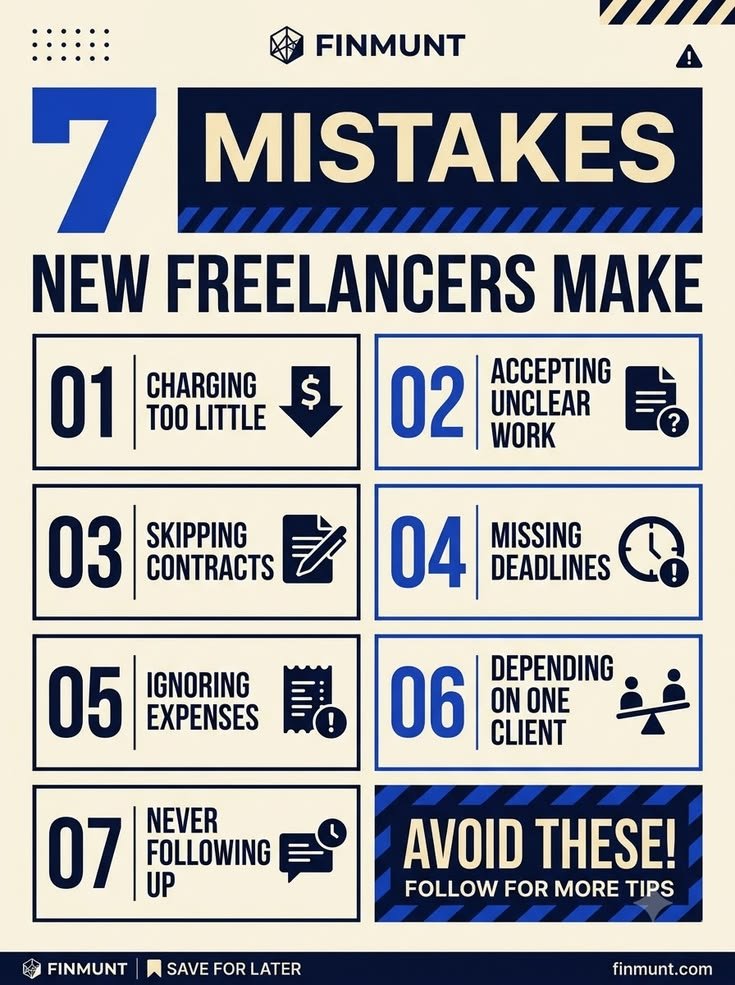
However, starting a freelance career is not always easy. Beginners often face challenges when searching for clients, setting prices, managing projects, and building a professional reputation. Some make avoidable mistakes that slow their progress, reduce their earnings, or make it difficult to establish a successful freelance business.
The good news is that many of these mistakes can be avoided with proper preparation and realistic expectations.
Whether you want to become a freelance writer, graphic designer, virtual assistant, web developer, video editor, or digital marketer, understanding common freelancing mistakes can help you make better decisions from the beginning.
Here are some of the biggest freelancing mistakes beginners should avoid.
1. Trying to Offer Too Many Services at Once
One common mistake beginners make is offering too many services because they believe it will increase their chances of finding clients.
For example, someone starting freelancing might advertise writing, graphic design, website development, video editing, social media management, and virtual assistance at the same time.
Although having multiple abilities can be useful, offering services you have not properly learned may make it difficult to deliver quality work.
Clients usually want professionals who understand their specific needs and can provide reliable results.
Instead of trying to master everything, choose one primary skill and focus on developing it. Once you gain experience and confidence, you can gradually introduce related services.
Specializing in a particular area can also make your portfolio clearer and help potential clients understand why they should hire you.
2. Starting Without Learning a Valuable Skill
Another major mistake is assuming that freelancing platforms automatically provide opportunities to earn money.
Creating an account on a freelance marketplace does not mean clients will immediately start hiring you. You need to offer something useful that people are willing to pay for.
Before looking for projects, spend time learning your chosen skill.
For example, aspiring writers should understand grammar, research, content structure, and writing for different audiences. Graphic designers should learn layout, typography, colour combinations, and design tools.
You can develop your abilities through free online courses, tutorials, practical exercises, and personal projects.
Remember that clients pay for the value and quality of your work, not simply because you have registered as a freelancer.
3. Working Without a Professional Portfolio
A portfolio is one of the most important tools for attracting freelance clients.
Many beginners make the mistake of waiting until they have completed paid projects before creating one. Unfortunately, this can make it difficult to convince potential clients that they have the necessary abilities.
You do not need previous paying customers to create a portfolio.
You can prepare sample projects that demonstrate what you can do.
For example:
- Writers can create sample blog articles and website content.
- Designers can develop sample logos and promotional graphics.
- Video editors can produce demonstration videos.
- Web developers can build sample websites.
- Social media managers can create content calendars and sample campaigns.
Choose your strongest work and organize it professionally. Make sure potential clients can easily understand your skills and the services you provide.
4. Charging Prices That Are Too Low
Beginners sometimes charge extremely low prices because they believe inexpensive services will attract more clients.
Although competitive pricing can help you secure your first projects, charging too little can create problems.
You may spend several hours completing a project without earning enough to cover your time, software, internet access, and other business expenses.
Very low prices can also make it difficult to increase your rates later.
Instead, research what other freelancers with similar experience charge. Consider the complexity of the project, the time required, the client’s expectations, and the value you provide.
You can offer reasonable introductory prices while building your reputation, but make sure your rates remain sustainable.
As your skills and experience improve, review your pricing accordingly.
5. Depending on Only One Freelance Platform
Platforms such as Upwork, Fiverr, Freelancer.com, and PeoplePerHour can help beginners discover freelance opportunities.
However, relying entirely on one platform is a risky strategy.
Changes to platform rules, increased competition, account restrictions, or fewer available projects can affect your ability to find work.
A stronger approach is to develop several ways of attracting clients.
You can use LinkedIn, professional communities, personal websites, referrals, business networking groups, and direct outreach.
Building relationships outside freelance marketplaces can help you develop a more independent business.
The goal is not to abandon freelance platforms but to avoid depending entirely on one source of opportunities.
6. Sending Generic Proposals to Every Client
Many beginners apply for numerous freelance projects by sending the same message to every potential client.
This approach often produces poor results because it does not demonstrate an understanding of what each client actually needs.
A professional proposal should be relevant to the specific project.
Before applying, read the job description carefully and identify the main problem the client wants to solve.
Then explain how your skills and experience can help.
A good proposal should:
- Introduce you briefly.
- Show that you understand the project.
- Explain the service you can provide.
- Mention relevant experience or sample work.
- Ask useful questions when necessary.
- Remain clear and professional.
Avoid making unrealistic promises or writing unnecessarily long applications. Focus on showing the client why you are suitable for the assignment.
7. Accepting Every Project Without Checking the Details
Beginners may feel pressured to accept every opportunity because they are eager to earn money and gain experience.
However, not every project is worth accepting.
Some clients have unrealistic expectations, unclear requirements, tight deadlines, or budgets that do not match the amount of work involved.
Before accepting a project, understand exactly what the client expects.
Ask about the deliverables, deadline, payment, number of revisions, and communication arrangements.
If the requirements are unclear, request clarification before agreeing to begin.
Learning to evaluate opportunities can save you time, protect your reputation, and prevent unnecessary stress.
8. Ignoring Communication With Clients
Poor communication is one of the fastest ways to damage a freelance relationship.
Some beginners focus entirely on completing the work and forget that clients also expect updates, explanations, and timely responses.
If a client sends an important message and receives no response for several days, they may become concerned about the project’s progress.
Develop professional communication habits from the beginning.
Respond within a reasonable period, confirm important instructions, provide progress updates, and inform clients early if something may affect a deadline.
If you are working with international clients, remember that time zones may influence when people are available.
Clear communication helps build trust and reduces misunderstandings.
9. Missing Deadlines
Meeting deadlines is an important part of building a successful freelance career.
Clients often depend on freelancers to complete work before product launches, marketing campaigns, business meetings, or other important activities.
Missing deadlines without providing an explanation can damage your professional reputation.
Before accepting a project, evaluate your schedule and make sure the delivery date is realistic.
Break large assignments into smaller tasks and set personal deadlines before the final submission date.
If an unexpected problem occurs, communicate with the client as early as possible and discuss a realistic solution.
It is better to agree on a reasonable deadline than to promise something you cannot deliver.
10. Working Without a Clear Agreement
Starting a freelance project without discussing the terms can lead to disagreements about payment, deadlines, revisions, and responsibilities.
For example, a client might expect several additional changes even though the original agreement only included one revision.
To prevent these problems, establish clear project terms before beginning work.
Your agreement should explain:
- The services you will provide.
- The total price or hourly rate.
- Payment arrangements.
- Project deadlines.
- Deliverables.
- Revision limits.
- Additional charges.
- Ownership of completed work.
For larger projects, consider using a written contract. For smaller assignments, a clear written agreement through an appropriate communication or freelance platform can still help establish expectations.
11. Failing to Manage Money Properly
Freelance income can change from month to month. Some periods may bring several projects, while others may produce fewer opportunities.
Beginners sometimes make the mistake of spending all their earnings immediately without considering future expenses.
Freelancers should track income, business costs, invoices, taxes, and savings.
It is also useful to separate personal and business finances where possible.
Set aside money for essential expenses, unexpected costs, software subscriptions, and applicable taxes.
Building an emergency fund can provide additional protection when projects slow down or payments are delayed.
Good financial management is just as important as finding clients.
12. Ignoring Continuous Learning
Freelancing is competitive, and professional expectations can change as technology and business practices develop.
A skill that is valuable today may require additional knowledge tomorrow.
For example, writers may need to understand SEO and AI-assisted research. Designers may benefit from learning new creative software, while virtual assistants may need experience with automation and project management tools.
Beginners should make continuous learning part of their freelance routine.
You can take online courses, practise new techniques, study industry developments, and learn from experienced professionals.
Improving your abilities helps you remain competitive and provide better services to clients.
13. Comparing Your Progress With Experienced Freelancers
Social media often shows freelancers celebrating large projects, international clients, impressive earnings, and successful businesses.
Beginners sometimes compare their early experiences with professionals who have spent years developing their careers.
This can create unnecessary pressure and unrealistic expectations.
Remember that every freelancer starts somewhere. Experienced professionals have usually spent time learning, making mistakes, building portfolios, and developing client relationships.
Instead of comparing your progress with someone else’s achievements, focus on improving your own skills and setting realistic goals.
Small improvements can gradually produce meaningful results.
14. Falling for Freelance Scams
Online freelancing provides genuine opportunities, but scammers sometimes target beginners who are eager to find work.
Be careful when someone offers unusually high payments for simple tasks, requests money before providing a job, or asks for sensitive financial information.
Other warning signs include suspicious links, unclear project descriptions, pressure to make immediate decisions, and requests for extensive unpaid work.
Protect yourself by researching clients, using appropriate payment protections, and avoiding suspicious transactions.
Never share your passwords or banking security information with potential clients.
If an opportunity seems too good to be true, investigate it carefully before accepting.
15. Giving Up Too Early
Perhaps one of the most damaging mistakes beginners make is expecting immediate success.
Finding the first client can take time. You may send several proposals without receiving a response, struggle to complete your first projects, or discover that your initial pricing needs adjustment.
These experiences are normal parts of building a freelance career.
Instead of giving up after a few unsuccessful applications, review your approach.
Improve your portfolio, update your profile, develop your skills, and learn how to write better proposals.
Freelancing requires patience and consistency. Progress may be gradual, but every completed project and professional relationship can help you gain valuable experience.
Conclusion
Starting a freelance career can be exciting, but beginners need to avoid mistakes that can affect their growth and professional reputation.
Offering too many services, working without valuable skills, ignoring portfolios, charging unsustainable prices, missing deadlines, and communicating poorly can make freelancing more difficult than it needs to be.
The best approach is to start with a clear plan. Choose a skill, develop your abilities, create sample projects, build a professional profile, and learn how to work effectively with clients.
You should also manage your finances carefully, establish clear agreements, protect yourself from scams, and continue improving your professional knowledge.
Remember that successful freelancing is not built overnight. With patience, discipline, and a willingness to learn from mistakes, beginners can gradually develop the experience and confidence needed to build a sustainable freelance career.