In today’s competitive job market, having a professional LinkedIn profile can make a significant difference in your career opportunities. Whether you are a recent graduate, an experienced professional, a freelancer, or someone searching for international employment, LinkedIn provides a platform where you can connect with employers, recruiters, industry experts, and other professionals.
Many recruiters use LinkedIn to discover potential candidates, review professional backgrounds, and identify people with the skills required for available positions. However, simply creating an account is not enough. Your profile needs to communicate your experience, qualifications, achievements, and career interests clearly.
A well-organized LinkedIn profile can help you become more visible to recruiters and make a positive first impression before you even submit a job application.
So, how can you build a professional LinkedIn profile that attracts recruiters? Here are some practical steps to help you improve your profile and increase your chances of discovering new career opportunities.
1. Choose a Professional Profile Photograph
Your profile photograph is one of the first things people notice when visiting your LinkedIn account. A clear and professional picture helps recruiters recognize you and creates a more welcoming first impression.
You do not necessarily need an expensive camera or professional photography studio. A good-quality photograph taken with a smartphone can work well.
Choose a picture with:
- Clear lighting and a simple background.
- Appropriate professional clothing.
- A natural and friendly expression.
- Your face clearly visible.
- Good image quality without unnecessary filters.
Avoid using group photographs, holiday pictures, distracting backgrounds, or images that make it difficult for recruiters to recognize you.
Your photograph should represent how you would comfortably present yourself in a professional environment.
2. Write an Attractive LinkedIn Headline
Your LinkedIn headline is an important part of your profile because it appears alongside your name in search results, comments, and connection requests.
Many people make the mistake of writing only their current job title. Although this is acceptable, your headline can communicate much more about your professional abilities.
For example, instead of writing:
“Marketing Assistant”
You could write:
“Digital Marketing Specialist | SEO | Social Media Management | Content Strategy”
If you are a recent graduate without professional experience, you can highlight your qualifications, interests, and developing skills.
For example:
“Recent Business Graduate | Interested in Finance, Administration and Business Development”
A strong headline should explain what you do, what you are good at, and the professional opportunities you are interested in pursuing.
3. Create a Strong and Professional About Section
The About section gives you an opportunity to introduce yourself and explain your professional background in your own words.
Rather than simply repeating information from your education or employment history, use this section to tell recruiters what you bring to the workplace.
Your introduction can include:
- Your professional background.
- Your main skills and areas of expertise.
- Your education or qualifications.
- Important achievements.
- Your career interests.
- The type of opportunities you are seeking.
For example, someone interested in digital marketing could explain their experience creating online content, researching keywords, managing social media accounts, and supporting business growth.
Keep your writing natural, organized, and easy to understand. Avoid filling the section with unnecessary keywords or exaggerated claims.
If you are still developing your career, explain what you have learned through education, personal projects, volunteering, internships, or professional training.
4. Highlight Your Work Experience
Your work experience section helps recruiters understand your professional journey and the responsibilities you have handled.
Include your current and previous positions, internships, freelance projects, and relevant voluntary experience.
For each position, provide:
- Your job title.
- The company or organization.
- Your employment dates.
- Your main responsibilities.
- Important achievements or results.
Whenever possible, describe what you accomplished instead of simply listing your daily duties.
For example, rather than writing “Responsible for social media management,” you could explain that you managed social media content, improved audience engagement, and supported online promotional campaigns.
If you do not have formal work experience, do not leave this section empty. You can include relevant personal projects, academic assignments, internships, or freelance work that demonstrates your abilities.
5. Add Relevant Skills to Your Profile
Skills are important because recruiters often search for candidates based on specific professional abilities.
LinkedIn allows members to list skills that demonstrate their knowledge and experience.
Depending on your career interests, relevant skills might include:
- Communication.
- Project management.
- Microsoft Excel.
- Data analysis.
- Digital marketing.
- Graphic design.
- Content writing.
- Web development.
- Customer service.
- Leadership.
- Problem-solving.
- Artificial intelligence tools.
Avoid adding every skill you can think of just to make your profile appear impressive. Focus on abilities that relate to your target industry and the positions you want.
You can also ask colleagues, classmates, supervisors, or professional connections who have worked with you to endorse skills they have genuinely observed.
6. Include Your Educational Background and Certifications
Your education section helps recruiters understand your academic qualifications and professional training.
Include relevant information such as your university, college, professional institution, degree, diploma, or other recognized qualifications.
You can also add professional certifications from online learning platforms, industry organizations, and recognized training providers.
For example, certifications in project management, cybersecurity, digital marketing, data analytics, and business administration can strengthen your professional profile.
If you have completed online courses or specialized training, include those that support your career direction.
Remember to provide accurate information and avoid listing qualifications or certifications you have not earned.
7. Use Keywords That Recruiters Search For
One important way to improve your LinkedIn profile is by including relevant industry keywords.
Recruiters often search for particular job titles, qualifications, software knowledge, and professional skills when looking for candidates.
For example, someone interested in accounting might include terms such as financial reporting, bookkeeping, auditing, budgeting, and Microsoft Excel.
A software developer might use keywords such as Python, JavaScript, software development, web applications, and database management.
Include relevant keywords naturally in your headline, About section, work experience, and skills.
Avoid keyword stuffing because your profile should remain readable and professional. The goal is to help recruiters understand your abilities while making your profile easier to discover through relevant searches.
8. Add Projects and Professional Achievements
You do not need years of employment experience to demonstrate your professional abilities.
Projects can help you show recruiters what you are capable of doing, especially if you are a student, graduate, freelancer, or career changer.
For example, a graphic designer can showcase completed designs, while a web developer can provide examples of websites or applications they have created.
A digital marketer can highlight campaigns, content strategies, or personal projects.
You can use LinkedIn’s Featured section to showcase selected work, presentations, publications, certificates, and other professional materials.
Choose examples that demonstrate your strongest abilities and are relevant to the opportunities you want.
9. Build a Professional Network
LinkedIn is not only a place to display your qualifications. It is also a professional networking platform.
Connecting with people in your industry can help you discover employment opportunities, learn about different career paths, and build relationships with professionals around the world.
You can connect with:
- Recruiters and hiring managers.
- Industry professionals.
- Former colleagues.
- University classmates.
- Business owners.
- Professional organizations.
- People working in your desired career field.
When sending connection requests, consider including a short, personalized message explaining why you would like to connect.
Avoid sending repeated promotional messages or immediately asking strangers for employment.
Building genuine professional relationships takes time, but it can help you become more familiar with your industry.
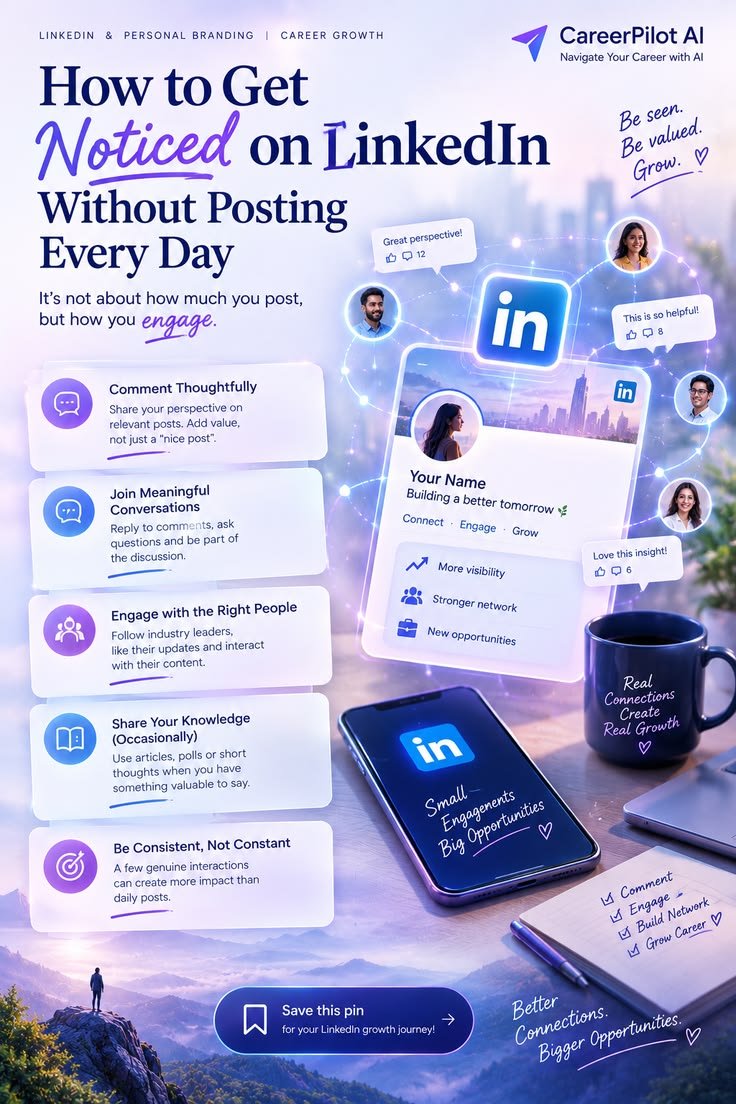
An active LinkedIn profile can help people understand your professional interests and knowledge.
You do not need to publish something every day. Instead, focus on sharing useful information and participating in relevant professional discussions.
You can post about:
- Skills you are learning.
- Industry developments.
- Professional achievements.
- Completed projects.
- Lessons from online courses.
- Career experiences.
- Useful industry resources.
You can also comment thoughtfully on posts from companies, recruiters, and professionals in your industry.
Avoid sharing misleading information, unnecessary arguments, or content that could damage your professional reputation.
Consistency and meaningful engagement can help you develop a recognizable professional presence.
11. Request Professional Recommendations
Recommendations provide additional credibility because they allow other people to describe their experience working with you.
You can request recommendations from:
- Former employers.
- Managers and supervisors.
- University lecturers.
- Professional colleagues.
- Internship supervisors.
- Previous clients.
A meaningful recommendation should highlight your professional strengths, reliability, communication, teamwork, or contributions to a particular project.
Avoid requesting recommendations from people who cannot genuinely speak about your abilities.
12. Activate the Open to Work Feature
If you are actively searching for employment, LinkedIn’s Open to Work feature can help communicate your availability to recruiters.
You can specify:
- Your preferred job titles.
- Locations where you want to work.
- Remote, hybrid, or on-site preferences.
- Employment types.
- Your availability to start.
LinkedIn allows you to choose whether your job-seeking status is visible to all members or recruiters only. However, recruiter-only visibility does not guarantee complete privacy from your current employer.
This feature can be particularly useful for graduates, experienced professionals, career changers, and people seeking international employment.
13. Keep Your Profile Updated
Your LinkedIn profile should reflect your current professional situation.
Whenever you complete a course, earn a certification, develop a new skill, finish a project, or change jobs, consider updating the relevant section.
An outdated profile may give recruiters an incomplete understanding of your qualifications and professional interests.
Take time to review your profile regularly and ensure that your information remains accurate and consistent with your CV.
Common LinkedIn Profile Mistakes to Avoid
Even qualified professionals can struggle to attract recruiters because of avoidable profile mistakes.
Here are some common problems to avoid:
- Leaving the About section empty.
- Using an unprofessional profile photograph.
- Writing a headline that provides little information.
- Adding skills unrelated to your career interests.
- Including false qualifications or experience.
- Leaving important employment dates unclear.
- Ignoring connection requests and professional messages.
- Copying another person’s profile description.
- Failing to showcase relevant projects.
- Providing outdated contact information.
Avoiding these mistakes can help you maintain a professional image and make your profile more useful to potential employers.
Conclusion
Building a professional LinkedIn profile that attracts recruiters requires more than creating an account and uploading your CV. It involves presenting your professional identity, highlighting relevant skills, demonstrating your achievements, and building meaningful industry connections.
Whether you are a recent graduate, freelancer, experienced employee, or international job seeker, LinkedIn can help you connect with employers and discover opportunities across different industries.
Start by improving your profile photograph, headline, About section, work experience, and skills. Then, continue developing your professional network, sharing valuable content, and keeping your information updated.
Remember that a strong LinkedIn profile does not guarantee employment, but it can improve your professional visibility and make it easier for recruiters to understand why you could be a suitable candidate.