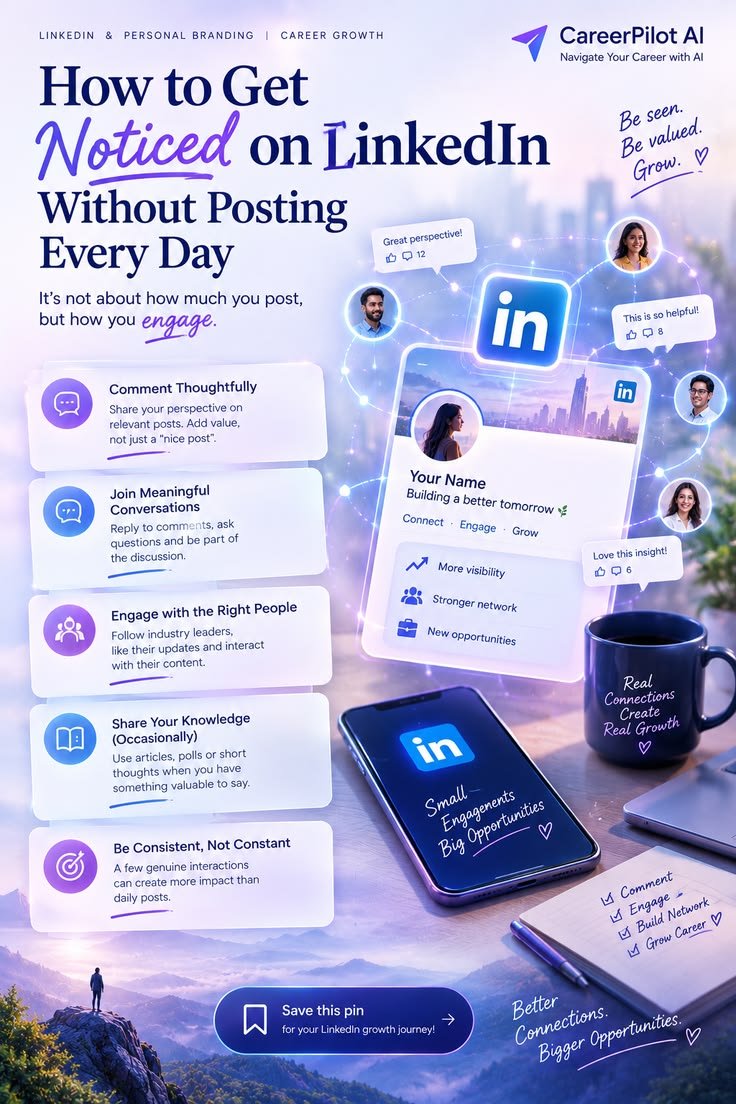

Finding international job opportunities has become easier with professional networking platforms. Today, job seekers can connect with employers, recruitment agencies, hiring managers, and professionals from different countries without travelling abroad.
One platform that plays an important role in international career development is LinkedIn. It allows professionals to showcase their experience, highlight their skills, build industry connections, and discover employment opportunities around the world.
However, simply creating a LinkedIn account does not guarantee that international recruiters will notice you. Thousands of professionals compete for attention, and recruiters often search for candidates using specific job titles, qualifications, experience, and professional keywords.
If you want to attract international recruiters, you need to make your profile professional, searchable, and relevant to the opportunities you are targeting.
Here are practical ways to improve your visibility and increase your chances of being discovered.
1. Create a Professional LinkedIn Profile
Your LinkedIn profile is often the first place recruiters look when they want to learn more about you. It should communicate your professional identity and make it easy for them to understand what you can offer.
Start by completing the important sections of your profile, including:
- Profile photograph
- Professional headline
- About section
- Work experience
- Education
- Skills
- Certifications
- Projects and achievements
- Contact information
Avoid leaving important sections empty. A complete profile gives recruiters a clearer picture of your professional background.
Use a professional photograph with good lighting and a simple background. Your profile should look appropriate for the type of industry and position you want to enter.
2. Write a Headline That Attracts Recruiters
Your LinkedIn headline is one of the most visible parts of your profile. It appears alongside your name when you comment on posts, send connection requests, or appear in search results.
Instead of using a general headline such as “Looking for a Job,” describe your professional skills and career direction.
For example:
- Digital Marketing Specialist | SEO | Content Strategy | Social Media Management
- Software Developer | Python | JavaScript | Web Application Development
- Financial Analyst | Data Analysis | Financial Reporting | Business Strategy
- Graphic Designer | Brand Identity | Visual Communication | Creative Design
- Virtual Assistant | Administrative Support | Customer Service | Project Coordination
If you are a beginner, you can include your area of training, practical skills, and the type of opportunities you are pursuing.
A clear headline helps recruiters quickly understand your professional focus.
3. Optimize Your Profile With Relevant Keywords
International recruiters often use LinkedIn search to identify candidates who match particular job requirements.
For example, a recruiter looking for a remote software developer may search for terms such as “software development,” “Python,” “JavaScript,” “React,” or “remote developer.”
If these skills accurately describe your experience, include them naturally in your profile.
Important places to use relevant keywords include:
- Your professional headline
- About section
- Work experience
- Skills section
- Project descriptions
- Certifications
Research job descriptions for positions you want and identify the skills and qualifications employers frequently mention.
However, avoid adding unrelated keywords simply to appear in more searches. Your profile should accurately represent your abilities.
4. Write an Engaging About Section
The About section gives you an opportunity to explain your professional background, strengths, interests, and career goals.
It should help recruiters understand what you do, what you have achieved, and the value you could bring to an organization.
A strong About section can include:
- A short professional introduction.
- Your main skills and areas of expertise.
- Relevant work experience or practical projects.
- Achievements that demonstrate your abilities.
- The types of opportunities you are interested in.
- A professional invitation to connect.
For example, someone interested in international marketing opportunities might explain their experience in SEO, digital campaigns, content strategy, and audience research.
Keep the information clear and authentic. Avoid copying another person’s About section or making claims you cannot support.
5. Highlight Your Skills and Achievements
Recruiters want to understand what you can actually do, not just the job titles you have held.
Your LinkedIn profile should highlight relevant professional skills and provide examples of how you have used them.
Depending on your career, these could include:
- Communication
- Project management
- Data analysis
- Customer relationship management
- Software development
- Digital marketing
- Financial reporting
- Leadership
- Problem-solving
- Research and analytical thinking
Whenever possible, support your skills with measurable achievements.
For example, instead of writing “Responsible for social media management,” you could explain how you planned content, managed campaigns, or improved audience engagement, using accurate figures where available.
If you are a recent graduate, include academic projects, internships, volunteer experience, freelance assignments, and personal projects that demonstrate relevant abilities.
6. Use the Open to Work Feature
LinkedIn offers an Open to Work feature that allows job seekers to indicate that they are interested in new opportunities.
You can use it to communicate your preferred job titles, locations, workplace arrangements, and employment types.
Depending on your preferences, you may indicate interest in:
- Full-time positions
- Part-time positions
- Contract opportunities
- Temporary work
- Remote positions
- Hybrid positions
- On-site employment
If you are interested in international opportunities, select realistic locations where you are eligible and willing to work.
Remember that remote employment does not automatically mean you can work from every country. Employers may have restrictions involving payroll, taxation, work authorization, and local employment regulations.
7. Connect With International Recruiters and Hiring Managers
Building professional connections can help you become more visible within your industry.
Instead of sending connection requests randomly, identify recruiters who specialize in your profession or recruit for companies you are interested in.
You can search for titles such as:
- International Talent Acquisition Specialist
- Global Recruitment Consultant
- Technical Recruiter
- Remote Hiring Manager
- Human Resources Manager
- Executive Recruiter
When sending a connection request, include a short and respectful message explaining why you would like to connect.
For example, mention your professional field, interest in their industry, or appreciation of their recruitment insights.
Avoid immediately asking every recruiter for a job. Focus on building genuine professional relationships.
LinkedIn is not only a platform for searching and applying for jobs. It is also a place to demonstrate your knowledge.
Sharing useful content can help more professionals discover your profile and understand your expertise.
You could publish:
- Industry-related articles
- Lessons from professional projects
- Career development advice
- Relevant industry observations
- Project demonstrations
- Professional achievements
- Useful tips related to your skills
For example, a data analyst could share a short explanation of a data visualization project, while a content writer could publish an article about improving website content.
Your posts do not need to attract thousands of reactions. Consistently sharing useful and relevant information can help establish your professional presence.
9. Engage With Companies You Want to Work For
Following international companies on LinkedIn can help you stay informed about their activities, recruitment announcements, and professional culture.
Start by identifying organizations that operate in your industry and offer the type of opportunities you want.
Follow their official pages and engage thoughtfully with relevant posts.
You can also:
- Read company updates.
- Follow hiring managers and recruiters.
- Participate in relevant discussions.
- Learn about the company’s products and services.
- Monitor career announcements.
- Research its workplace expectations.
This can help you understand potential employers before submitting applications.
10. Add Certifications and Relevant Training
Professional certifications can strengthen your profile by demonstrating that you have completed relevant training or developed knowledge in a particular area.
For example, professionals in digital marketing, project management, cloud computing, data analysis, and technology may benefit from recognized industry certifications.
You can also include relevant online courses and professional development programmes.
When adding certifications, provide accurate details such as the issuing organization, completion date, and credential information where available.
Remember that certificates do not replace practical experience. Whenever possible, combine training with projects that demonstrate how you can apply what you have learned.
11. Build a Strong LinkedIn Network
Your professional network can influence how easily you discover opportunities, exchange knowledge, and connect with people in your industry.
Connect with professionals who share your career interests, including:
- Recruiters
- Hiring managers
- Industry experts
- Former colleagues
- University alumni
- Business owners
- Professionals working internationally
Participate in relevant conversations and offer useful contributions rather than focusing only on promoting yourself.
A meaningful professional network can introduce you to opportunities that may not appear in ordinary job searches.
12. Keep Your Profile Updated
An outdated LinkedIn profile may not accurately represent your current abilities or career goals.
Whenever you complete a new project, earn a certification, develop a professional skill, or gain relevant experience, consider updating your profile.
Review your headline, About section, work history, skills, and career preferences regularly.
Also make sure your contact information is accurate and that your profile does not contain contradictory employment details.
Consistency between your LinkedIn profile and CV is important because recruiters may compare both when reviewing your application.
Common LinkedIn Mistakes That Can Reduce Your Visibility
Even qualified professionals sometimes struggle to attract recruiters because their profiles do not communicate their abilities effectively.
Avoid these common mistakes:
- Using an incomplete profile.
- Writing a vague professional headline.
- Adding skills unrelated to your career.
- Copying another person’s profile description.
- Sending generic messages to recruiters.
- Making exaggerated claims about experience.
- Ignoring professional comments and messages.
- Applying for positions without checking their requirements.
- Using an unprofessional profile photograph.
- Failing to update recent achievements.
A professional and accurate profile is more useful than one filled with unnecessary information.
Final Thoughts
Getting noticed by international recruiters on LinkedIn requires more than creating an account and waiting for job offers. You need to build a professional profile, use relevant keywords, highlight your achievements, connect with the right people, and demonstrate your knowledge.
Start by improving your headline and About section. Then add relevant skills, showcase your projects, follow international employers, and engage with professionals in your industry.
Most importantly, remain consistent and realistic about your career goals. International recruitment can involve competition, work authorization requirements, and different hiring processes, but a well-maintained LinkedIn presence can help you become more discoverable and connect with opportunities beyond your local job market.